Creatine: The Ultimate Guide to Strength and Brain Health
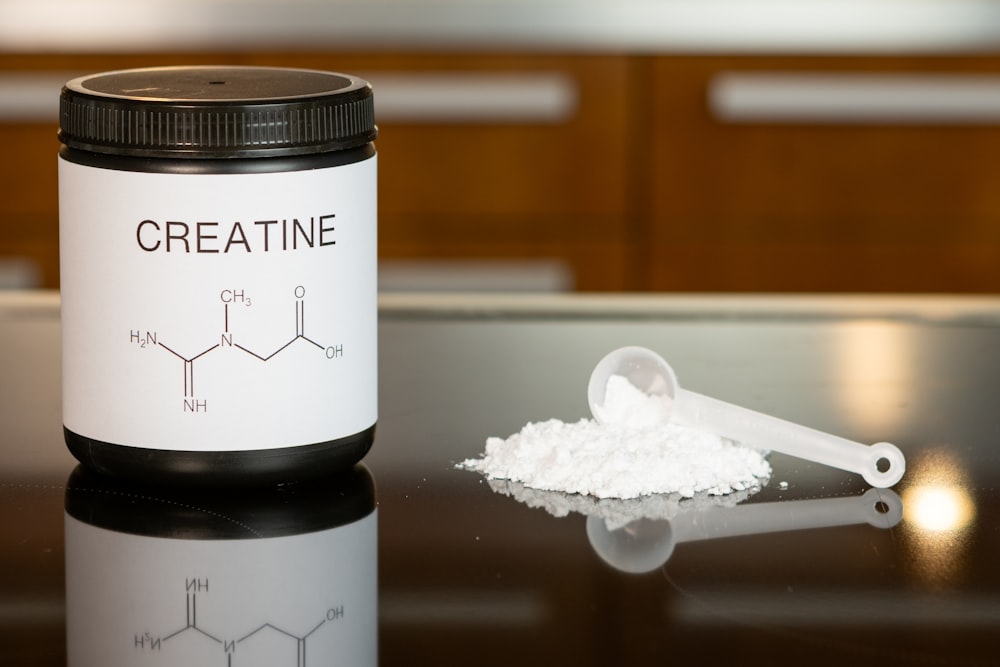
Creatine is a natural compound that plays a vital role in supplying energy to our muscles. It is widely known for its ability to enhance strength and promote brain health. Many people, including amateur and professional athletes, take creatine supplements to improve their workout routines and aid in muscle recovery. However, before incorporating creatine into your regimen, it's crucial to understand its benefits, potential risks, and whether it is suitable for your specific needs.
Table of Contents
Overview
- What is creatine?
- Dietary sources of creatine
- Importance of creatine for muscle energy
- Types of creatine supplements
Safety and Precautions
- Who should avoid creatine supplements?
- Potential risks for certain individuals
- Bipolar disorder and creatine use
- Consulting a healthcare provider before taking creatine
Muscle Growth and Exercise Performance
- Effectiveness of creatine for muscle growth
- Age-related considerations
- Impact on athletic performance
- Power sports and creatine supplementation
Brain Health and Cognitive Function
- Creatine's potential impact on brain function
- Benefits for individuals aged 60 and older
- Enhancing short-term memory and reasoning
- Research on creatine and cognitive conditions
Recommended Usage for Athletes
- Acceptance of creatine supplements in sports
- Gender differences in response to creatine
- Benefits for vegetarian and vegan athletes
- Optimal dosage and timing
Types of Creatine Supplements
- Creatine monohydrate: the most common form
- Other forms of creatine and their efficacy
How Creatine Works in the Body
- Conversion to phosphocreatine and ATP
- Role in muscle recovery and growth
- Influence on anabolic hormones
- Impact on muscle cell hydration
Incorporating Creatine into Your Routine
- Daily recommendations for creatine intake
- Adjusting dosage based on individual factors
- Effects of discontinuing creatine use
Benefits and Risks of Creatine
- Pros of taking creatine supplements
- Muscle gains and potential limitations
- Side effects and how to manage them
When to Seek Medical Advice
- Consulting a healthcare provider before use
- Considerations for specific medical conditions
- Addressing side effects or concerns
Additional Considerations
- Creatine and neurodegenerative diseases
- Impact on conditions like diabetes and osteoarthritis
- Effects on creatine metabolism and transportation
- Potential benefits for insufficient blood flow to the heart
Conclusion
1. Overview
What is creatine?
Creatine is a naturally occurring compound that provides energy to our skeletal muscles. It plays a crucial role in muscle contraction and helps maintain a steady supply of energy during physical activity. Approximately half of our body's creatine comes from our diet, primarily from protein-rich foods like red meat, seafood, and animal milk. The remaining creatine is produced naturally in our liver, kidneys, and pancreas, with skeletal muscles utilizing around 95% of it during exercise.
To meet the demand for creatine supplementation, manufacturers produce various forms of creatine supplements, including powders, tablets, capsules, liquids, and energy bars. These supplements are popular among individuals who engage in intense workouts or have limited dietary creatine intake.
Importance of creatine for muscle energy
Creatine serves as a vital source of energy for our muscles, enabling them to perform efficiently during physical exertion. It contributes to the production of adenosine triphosphate (ATP), a molecule that fuels cellular processes. When we exercise, creatine is converted into phosphocreatine, which helps regenerate ATP and provides rapid bursts of energy required for intense activities like weightlifting, sprinting, and cycling.
Our muscles also benefit from creatine's ability to speed up recovery and enhance muscle growth. During exercise, micro-tears occur in muscle fibers. Creatine activates satellite cells, which aid in the healing process of these micro-tears, resulting in stronger, more resilient muscles. Additionally, creatine has been shown to increase anabolic hormones, such as insulin, human growth hormone (hGH), estrogen, and testosterone, further supporting muscle growth and tissue repair.
Dietary sources of creatine
As mentioned earlier, creatine can be obtained through our diet. Protein-rich foods, including red meat (pork, veal, and beef), seafood (fish and shellfish), and animal milk (such as cow, goat, and sheep milk), contain varying amounts of creatine. On average, our daily diet provides 1 to 2 grams of creatine, roughly equivalent to the size of 1 to 2 jellybeans.
However, it's essential to note that dietary creatine alone might not meet the demands of individuals who engage in intense physical activities or have specific dietary restrictions. In such cases, creatine supplementation can help bridge the gap and ensure optimal creatine levels for muscle energy and performance.
2. Safety and Precautions
Who should avoid creatine supplements?
While creatine supplements are generally safe for most people, certain individuals should exercise caution or avoid them altogether. It is crucial to consult a healthcare provider before considering creatine supplementation if you fall into any of the following categories:
- Pregnant or breastfeeding (chestfeeding) individuals: Limited research exists on the safety of creatine supplementation during pregnancy and lactation, so it's best to err on the side of caution and seek professional advice.
- Individuals with diabetes: Creatine may affect blood sugar levels, potentially interfering with diabetes management. Healthcare providers can provide personalized guidance based on individual circumstances.
- Individuals with kidney or liver disease: Impaired kidney or liver function can impact creatine metabolism and clearance from the body. Consulting a healthcare provider is essential to assess the safety and suitability of creatine supplementation.
- Individuals with bipolar disorder: Creatine use may increase the risk of manic episodes in individuals with bipolar disorder. It is crucial to discuss potential risks and benefits with a healthcare provider before considering creatine supplementation.
Potential risks for certain individuals
While creatine is generally well-tolerated, some individuals may experience side effects or adverse reactions. These can include gastrointestinal discomfort, such as nausea, vomiting, diarrhea, or dizziness. To minimize the likelihood of these side effects, it may be helpful to divide the daily creatine dosage into smaller doses taken throughout the day, rather than consuming it all at once.
Individuals who experience any adverse reactions or side effects should consult a healthcare provider to determine the appropriate course of action. It is also important to note that the long-term effects of creatine supplementation are still being studied, and more research is needed to fully understand its impact on various populations.
Bipolar disorder and creatine use
For individuals with bipolar disorder, creatine supplementation may pose potential risks. There is evidence to suggest that creatine could increase the risk of manic episodes in these individuals. If you have bipolar disorder, it is crucial to consult your healthcare provider before considering creatine supplementation. They can provide personalized advice based on your specific condition and help you make an informed decision.
Consulting a healthcare provider before taking creatine
Before incorporating creatine into your supplement regimen, it is always advisable to consult a healthcare provider. They can assess your medical history, current medications, and individual circumstances to determine if creatine supplementation is safe and suitable for you. A healthcare provider can also provide guidance on the appropriate dosage, potential interactions, and any specific precautions you should take.
3. Muscle Growth and Exercise Performance
Effectiveness of creatine for muscle growth
Creatine supplementation has been shown to be effective in enhancing muscle growth, particularly in individuals aged 18 to 30. Research suggests that regularly taking creatine supplements, combined with weightlifting and exercise, can lead to increased muscle mass and improved strength. Creatine's ability to enhance muscle growth is attributed to its role in providing energy for intense workouts and promoting muscle recovery.
However, it's important to note that the effectiveness of creatine in promoting muscle growth in older individuals (over 65) or those with muscle-related diseases is not yet fully understood. Further research is needed to determine the potential benefits of creatine supplementation in these populations.
Age-related considerations
As we age, our muscle mass tends to decline naturally. This loss of muscle mass, known as sarcopenia, can affect overall strength and physical performance. While creatine has been shown to be effective in promoting muscle growth in younger individuals, its impact on older adults is still under investigation.
Some studies suggest that creatine supplementation may have limited benefits for individuals over the age of 65. However, it is important to consult a healthcare provider to determine if creatine supplementation is appropriate for your specific age group and circumstances.
Impact on athletic performance
Creatine supplements have become increasingly popular among athletes due to their potential performance-enhancing effects. Creatine provides a "quick burst" of energy, increasing strength and power output during short-duration, high-intensity activities. This is particularly beneficial for athletes participating in power sports such as bodybuilding, football, hockey, and wrestling.
By supplementing with creatine, athletes can improve their exercise performance without compromising their aerobic endurance. This means that creatine supplementation can enhance strength and power without negatively affecting the ability to engage in longer-duration activities.
Power sports and creatine supplementation
Creatine supplementation is widely accepted and utilized among athletes participating in various sports, including professional sports organizations like the International Olympic Committee (IOC) and the National Collegiate Athletic Association (NCAA). Both male and female athletes report benefits from creatine supplementation, although studies suggest that women and individuals assigned female at birth (AFAB) may experience less significant gains in strength and muscle mass compared to men and individuals assigned male at birth (AMAB).
It's important to note that while creatine supplementation can provide advantages in power sports, it is not a substitute for proper training, nutrition, and overall athletic development. Athletes should approach creatine supplementation as a complementary strategy to their existing training and performance routines.
4. Brain Health and Cognitive Function
Creatine's potential impact on brain function
In addition to its well-known benefits for muscle energy, creatine has also been studied for its potential impact on brain health and cognitive function. Research suggests that creatine supplementation may have positive effects on brain function, particularly in individuals aged 60 and older.
Benefits for individuals aged 60 and older
Studies have shown that creatine supplementation can improve short-term memory and reasoning abilities in older adults. The enhanced cognitive function observed in these studies suggests that creatine may have neuroprotective properties, helping to safeguard groups of nerve cells from injury or damage.
While the exact mechanisms by which creatine enhances brain function are still being investigated, it is believed that creatine increases the amount of phosphocreatine in the brain. Phosphocreatine plays a crucial role in supplying energy to brain cells, which may contribute to improved cognitive performance.
Enhancing short-term memory and reasoning
Short-term memory and reasoning are essential cognitive functions that impact various aspects of daily life, including problem-solving, decision-making, and overall mental agility. Creatine supplementation has shown promise in enhancing these cognitive functions, particularly in older individuals.
By improving short-term memory and reasoning abilities, creatine supplementation may offer potential benefits for individuals looking to maintain cognitive vitality as they age. However, further research is needed to fully understand the mechanisms behind creatine's impact on brain health and to determine its potential benefits for various populations.
Research on creatine and cognitive conditions
Researchers are actively studying the potential benefits of creatine supplementation for individuals with cognitive conditions, including dementia. Preliminary studies suggest that creatine may help improve cognitive function in individuals with neurodegenerative diseases such as muscular dystrophy, Parkinson's disease, and Huntington's disease.
The exact mechanisms by which creatine exerts its effects on cognitive conditions are not yet fully understood. However, it is believed that creatine's ability to enhance energy metabolism in the brain and provide neuroprotective benefits may play a role in its potential therapeutic effects.
While creatine supplementation shows promise in the field of cognitive health, it is important to consult a healthcare provider before considering its use, especially for individuals with existing cognitive conditions. A healthcare provider can provide personalized guidance based on your specific condition and overall health.
5. Recommended Usage for Athletes
Acceptance of creatine supplements in sports
Creatine supplementation is widely accepted and utilized among athletes across various sports. Professional sports organizations, including the IOC and the NCAA, allow athletes to use creatine supplements in their training and performance routines. The acceptance of creatine in sports is due to its potential performance-enhancing effects, particularly in power sports and activities that require short bursts of intense effort.
It's important to note that while creatine is permitted in sports, athletes should always adhere to the rules and regulations set forth by their respective governing bodies. Additionally, it is essential to consult with a healthcare provider or sports nutritionist to ensure appropriate usage and dosage based on individual needs and goals.
Gender differences in response to creatine
Research suggests that there may be gender differences in the response to creatine supplementation. While both men and women can benefit from creatine use, studies have noted that women and individuals AFAB may not experience the same magnitude of strength and muscle mass gains as men and individuals AMAB.
The reasons behind these gender differences are not yet fully understood. Hormonal and physiological factors may contribute to the varying response to creatine supplementation. However, it's important to note that individual responses can vary, and consulting a healthcare provider or sports nutritionist can provide personalized guidance based on your specific circumstances.
Benefits for vegetarian and vegan athletes
For individuals following vegetarian or vegan diets, creatine supplementation may offer additional benefits. Since dietary creatine primarily comes from animal-based sources, individuals who avoid or limit animal products may have lower creatine levels. Supplementing with creatine can help bridge this gap and ensure optimal creatine levels for muscle energy and performance.
However, it's important to note that building up creatine levels in muscles may take longer for vegetarian or vegan athletes compared to individuals with a diet rich in animal protein. It is advisable to consult a healthcare provider or sports nutritionist to determine the appropriate dosage and duration of creatine supplementation for optimal benefits.
Optimal dosage and timing
The optimal dosage and timing of creatine supplementation can vary depending on individual factors, such as body weight, exercise routine, and specific goals. It is crucial to consult a healthcare provider or sports nutritionist to determine the appropriate dosage for your needs.
The loading phase, which involves taking a higher dose of creatine for a short period, is a common approach to saturate the muscles with creatine quickly. This phase typically lasts about a week and involves taking 20 grams of creatine per day, divided into several smaller doses. Following the loading phase, a maintenance dose of 3-5 grams per day is often recommended.
Timing of creatine supplementation is also important. Some athletes prefer to take creatine before their workouts to maximize its availability during exercise, while others choose to take it after their workouts to aid in muscle recovery. Experimenting with different timing strategies and consulting a healthcare provider or sports nutritionist can help determine the most effective approach for your specific needs.
6. Types of Creatine Supplements
Creatine monohydrate: the most common form
Creatine monohydrate is the most widely used and extensively researched form of creatine supplementation. It is a dietary supplement that has been shown to enhance muscle performance during short-duration, high-intensity resistance exercises such as weightlifting, sprinting, and bicycling.
Studies have consistently demonstrated the effectiveness of creatine monohydrate in improving exercise performance, muscle strength, and muscle mass. It is considered the gold standard for creatine supplementation due to its superior bioavailability and affordability.
Other forms of creatine and their efficacy
In addition to creatine monohydrate, several other forms of creatine supplements are available on the market. These include creatine ethyl ester, creatine hydrochloride, buffered creatine, and micronized creatine. However, it's important to note that the scientific evidence supporting the efficacy of these alternative forms of creatine is limited compared to creatine monohydrate.
While some individuals may claim benefits from these alternative forms, it's crucial to approach them with caution and consult a healthcare provider or sports nutritionist for guidance. Creatine monohydrate remains the most studied and reliable form of creatine supplementation.
7. How Creatine Works in the Body
Conversion to phosphocreatine and ATP
When creatine enters our skeletal muscles, it combines with phosphoric acid to form phosphocreatine or creatine phosphate. Phosphocreatine plays a crucial role in the regeneration of ATP, the primary energy source for cellular processes. During intense exercise, ATP is rapidly depleted, and phosphocreatine helps regenerate it, providing a continuous supply of energy to our muscles.
The conversion of creatine to phosphocreatine is reversible, allowing for efficient energy transfer between the two molecules. This energy transfer enables our muscles to perform high-intensity activities that require quick bursts of power.
Role in muscle recovery and growth
Creatine has been shown to play a vital role in muscle recovery and growth. During exercise, our muscles experience micro-tears in the muscle fibers. As these micro-tears heal, our muscles become stronger and more resistant to future damage. Creatine helps facilitate this recovery process by activating satellite cells in our muscles.
Satellite cells are essential for muscle repair and growth. When activated by creatine, satellite cells contribute to the regeneration of damaged muscle fibers, resulting in increased muscle size and strength. By enhancing muscle recovery, creatine supplementation can support overall muscle growth and development.
Influence on anabolic hormones
Creatine supplementation has been shown to increase the production of anabolic hormones, such as insulin, hGH, estrogen, and testosterone. These hormones play a crucial role in muscle growth, tissue repair, and overall anabolism (the process of building and maintaining muscle mass).
Insulin, a hormone involved in regulating blood sugar levels, promotes the uptake of glucose and amino acids into muscle cells, facilitating muscle growth and recovery. hGH is responsible for stimulating protein synthesis, an essential process for muscle repair and growth. Estrogen and testosterone also contribute to muscle development and anabolic processes.
By increasing the production of these anabolic hormones, creatine supplementation can support muscle growth, enhance recovery, and optimize overall athletic performance.
Impact on muscle cell hydration
Creatine has the ability to increase water content within muscle cells, a phenomenon known as cell hydration. Better cell hydration has been suggested to promote muscle growth and reduce the risk of dehydration and muscle cramps.
By increasing muscle cell hydration, creatine supplementation may create an environment conducive to muscle growth and optimal performance. However, it's important to note that the effects of increased muscle cell hydration on long-term muscle growth and athletic performance require further research.
8. Incorporating Creatine into Your Routine
Daily recommendations for creatine intake
The appropriate dosage of creatine can vary depending on individual factors such as body weight, exercise routine, and specific goals. However, a commonly recommended dosage for creatine supplementation is 3-5 grams per day.
During the loading phase, which typically lasts about a week, a higher dosage of creatine (around 20 grams per day) is often recommended to saturate the muscles with creatine quickly. This loading phase is followed by a maintenance phase, where a lower dosage of creatine is taken to maintain optimal creatine levels in the muscles.
It's important to note that individual responses to creatine can vary, and it may be necessary to adjust the dosage based on personal factors and goals. Consulting a healthcare provider or sports nutritionist can help determine the most appropriate dosage for your specific needs.
Adjusting dosage based on individual factors
When determining the dosage of creatine, it's essential to consider individual factors such as body weight, exercise routine, and specific goals. Individuals with higher body weight or engaged in intense physical activities may require a higher dosage of creatine to achieve optimal results.
It's important to note that exceeding the recommended dosage does not necessarily yield additional benefits and may increase the risk of side effects. Consulting a healthcare provider or sports nutritionist can help determine the optimal dosage based on your specific characteristics and goals.
Effects of discontinuing creatine use
When you stop taking creatine supplements, your creatine levels gradually decrease over time. However, your body will continue to produce creatine naturally, ensuring a constant supply for muscle energy. It is worth noting that discontinuing creatine use may result in a decrease in muscle creatine levels, potentially leading to a temporary decrease in performance.
While the effects of discontinuing creatine use may vary among individuals, regular exercise and proper nutrition can help maintain any gains achieved through creatine supplementation. It's important to continue focusing on a well-rounded training program and a balanced diet to support ongoing strength and muscle development.
9. Benefits and Risks of Creatine
Pros of taking creatine supplements
For individuals who engage in regular exercise, creatine supplementation has been shown to offer several benefits. Some of the potential advantages of taking creatine supplements include:
- Improved exercise performance: Creatine supplementation has been linked to enhanced performance during high-intensity, short-duration activities. This can translate into increased strength, power, and overall athletic performance.
- Enhanced recovery: Creatine has been shown to speed up muscle recovery by facilitating the healing of micro-tears in muscle fibers. This can result in reduced muscle soreness and improved readiness for subsequent workouts.
- Increased muscle mass: Studies have indicated that regular creatine supplementation, combined with exercise, can lead to greater muscle growth compared to exercise alone. Creatine's ability to enhance protein synthesis and activate satellite cells contributes to this effect.
- Prevention and reduction of severe muscle injuries: Creatine supplementation has been associated with a reduced risk of severe muscle injuries and the severity of existing injuries. This can be particularly beneficial for athletes engaged in intense physical activities.
- Improved tolerance for intense activity: Creatine has been shown to enhance an athlete's ability to tolerate more intense physical activity without experiencing excessive fatigue. This can result in improved performance during workouts and competitions.
- Reduction of dehydration and cramping: Creatine's impact on muscle cell hydration may help reduce the risk of dehydration and muscle cramps, particularly during intense exercise.
- Minimization of muscle tightness and strains: By supporting muscle recovery and growth, creatine supplementation may help minimize muscle tightness, strains, and pulls.
For vegetarian or vegan individuals, creatine supplementation may offer additional benefits due to limited dietary creatine intake from animal-based sources. However, it's important to note that building up creatine levels in muscles may take longer for these individuals compared to those with a diet rich in animal protein.
Muscle gains and potential limitations
The extent of muscle gains achieved through creatine supplementation can vary depending on individual factors such as exercise routine, diet, and genetic factors. Some studies suggest that individuals who take creatine supplements may gain an additional two to four pounds of muscle mass during four to 12 weeks of regular exercise compared to those who do not take creatine.
It's important to note that the magnitude of muscle gains may differ among individuals based on their response to creatine supplementation, training program, and overall lifestyle. Additionally, the efficacy of creatine supplementation in promoting muscle growth in older individuals (over 65) or those with muscle-related diseases is still under investigation.
Side effects and how to manage them
Creatine supplementation is generally well-tolerated, but some individuals may experience side effects. Common side effects include weight gain due to water retention, dizziness, nausea, vomiting, diarrhea, and excessive sweating (hyperhidrosis). If you experience any of these side effects, it may be helpful to divide the daily dosage into smaller doses taken throughout the day, rather than consuming it all at once.
It's important to note that side effects are typically temporary and subside as the body adjusts to creatine supplementation. If side effects persist or worsen, consulting a healthcare provider can provide guidance on managing them effectively.
10. When to Seek Medical Advice
Consulting a healthcare provider before you take creatine
Before incorporating creatine supplementation into your routine, it is essential to consult a healthcare provider. They can conduct a physical examination, review your medical history, and consider any existing medical conditions or medications you may be taking. This comprehensive assessment will help determine if creatine supplementation is safe and suitable for your specific circumstances.
A healthcare provider can provide personalized guidance on the appropriate creatine supplement, dosage, and timing based on your individual needs and goals. They can also address any concerns or questions you may have regarding creatine supplementation.
Considerations for specific medical conditions
Individuals with certain medical conditions should exercise caution when considering creatine supplementation. Conditions such as diabetes, kidney disease, and liver disease may impact the metabolism and clearance of creatine from the body. A healthcare provider can evaluate the potential risks and benefits of creatine supplementation based on your specific condition.
For individuals with bipolar disorder, creatine supplementation may increase the risk of manic episodes. It is crucial to discuss the potential risks and benefits with a healthcare provider before considering creatine supplementation, especially if you have bipolar disorder.
Addressing side effects or concerns
If you experience any side effects or have concerns about creatine supplementation, it's important to reach out to a healthcare provider. They can offer guidance on managing side effects, adjusting dosage, or considering alternative approaches based on your individual circumstances.
A healthcare provider can also provide recommendations on other supplements or strategies that may complement your goals or address specific concerns. Open communication with a healthcare provider is crucial to ensure your safety and optimize the benefits of any supplementation regimen.
11. Additional Considerations
Creatine and neurodegenerative diseases
Creatine supplementation has shown potential benefits for individuals with neurodegenerative diseases such as muscular dystrophy, Parkinson's disease, and Huntington's disease. These conditions involve the progressive degeneration of muscle function and movement.
Research suggests that creatine supplementation may help improve muscle strength, physical performance, and overall quality of life in individuals with these neurodegenerative diseases. However, it is important to consult a healthcare provider before considering creatine supplementation for these specific conditions. They can provide personalized guidance based on your individual circumstances and overall health.
Impact on conditions like diabetes and osteoarthritis
Creatine's potential impact on various medical conditions is an area of ongoing research. Preliminary studies suggest that creatine supplementation may offer benefits for individuals with conditions such as diabetes, osteoarthritis, fibromyalgia, and those affecting creatine metabolism or transportation.
However, more research is needed to fully understand the mechanisms behind these potential benefits and to determine the optimal usage of creatine in managing these conditions. It is essential to consult a healthcare provider to discuss the potential risks and benefits of creatine supplementation based on your specific condition.
Effects on creatine metabolism and transportation
Certain medical conditions can impact creatine metabolism and transportation in the body. Impaired kidney or liver function, for example, may affect the clearance of creatine or its conversion to phosphocreatine. Conditions that affect how creatine is transported through the body, such as deficiencies in specific transporter proteins, can also impact creatine availability within cells.
For individuals with conditions that affect creatine metabolism or transportation, it is crucial to consult a healthcare provider before considering creatine supplementation. They can evaluate the potential risks and benefits based on your specific condition and provide personalized guidance.
Potential benefits for insufficient blood flow to the heart
Insufficient blood flow to the heart muscle, a condition known as myocardial ischemia, can have serious implications for cardiovascular health. Preliminary research suggests that creatine supplementation may offer benefits for individuals with insufficient blood flow to the heart.
Creatine's ability to enhance energy metabolism and support muscle function may contribute to improved cardiac performance in individuals with this condition. However, further research is needed to fully understand the mechanisms and optimal usage of creatine in managing myocardial ischemia. It is essential to consult a healthcare provider to discuss the potential risks and benefits based on your specific condition.
12. Conclusion
Creatine supplementation offers several potential benefits, ranging from improved exercise performance and muscle growth to enhanced brain health and cognitive function. It is a natural compound that plays a vital role in supplying energy to our muscles and has gained widespread acceptance in the athletic community.
However, it is crucial to approach creatine supplementation with caution and consult a healthcare provider before incorporating it into your routine. Factors such as existing medical conditions, medications, and individual goals should be considered when determining the suitability and dosage of creatine supplementation.
Creatine supplements are generally safe for most people, but some individuals, such as those with certain medical conditions or bipolar disorder, should exercise caution or avoid them altogether. Additionally, it's important to be aware of potential side effects and manage them appropriately.
By understanding the benefits, risks, and proper usage of creatine, you can make informed decisions about incorporating it into your routine and optimizing your athletic performance and overall well-being. Consultation with a healthcare provider or sports nutritionist is highly recommended to ensure personalized guidance tailored to your specific needs and goals.


No comments:
Post a Comment